
“Digital Finless Porpoise”: From Conservation Tool to City IP
Digital technology has not only brought the Yangtze finless porpoise to life on screens — it has also brought the species into the heart of urban culture. In 2022, Wuhan took the lead in China by introducing the concept of “Digital Finless Porpoise,” deeply integrating ecological conservation, digital technology, cultural creativity and public participation. The Institute of Hydrobiology of the Chinese Academy of Sciences established the world’s first finless porpoise sperm bank in Wuhan, and achieved a breakthrough in second‑generation artificial breeding. Under the broader Yangtze River protection campaign, comprehensive measures have been implemented, including water‑quality assessments, relocation of wharves, closure and relocation of chemical plants, and riverbank restoration.
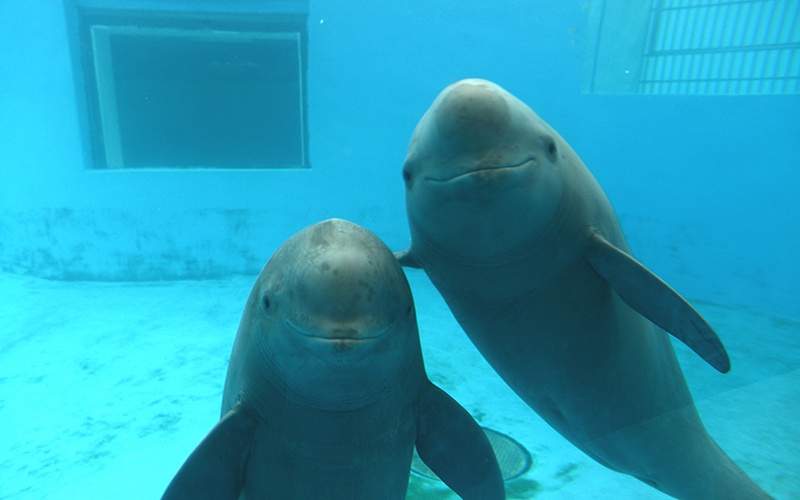
These efforts have yielded remarkable results. According to 2025 survey data, the wild population of the Yangtze finless porpoise has recovered to 1,426 individuals — an increase of more than 40 percent compared to 1,017 in 2017. International media have taken note. Major outlets such as France’s Le Figaro and the United Kingdom’s The Times have reported on the porpoise’s “return to the river city,” and China’s porpoise conservation practices are increasingly recognized as a “Chinese solution” for global biodiversity governance.
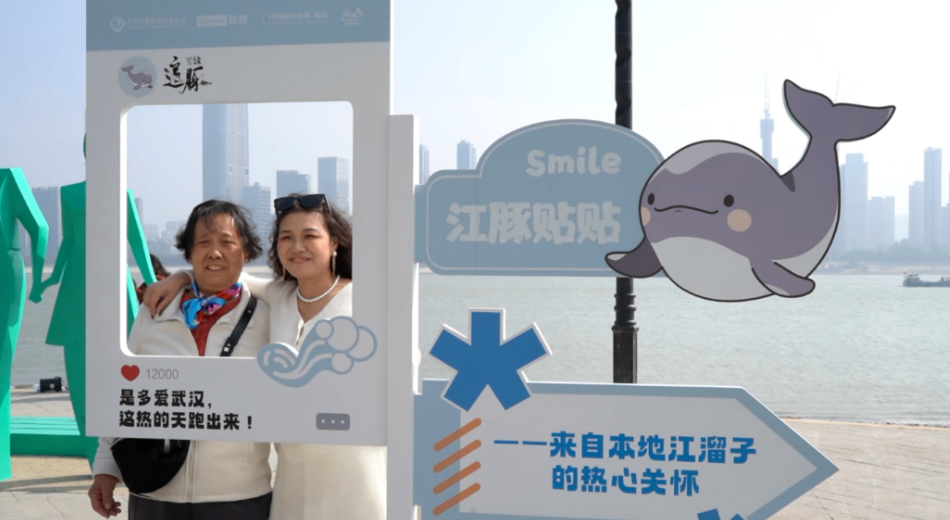
On the cultural front, Wuhan has registered more than 600 porpoise‑related trademarks. The porpoise has also appeared at major international platforms, including the International Wetlands Conference and a Paris city promotional event, generating over 100 million online views worldwide. It has become an iconic ecological ambassador for Wuhan’s global outreach.